
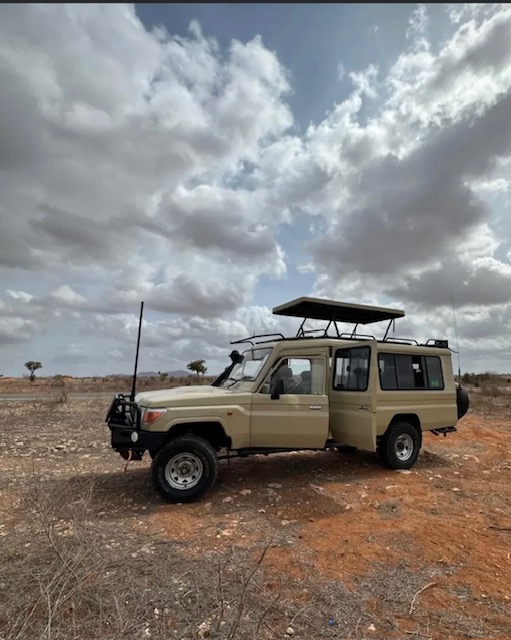
Booking a 4×4 Rental Car in Uganda: A Step-by-Step Guide
Booking a 4×4 rental car in Uganda is one of the first things to arrange when planning a self-drive safari or road trip. Whether you want to explore Murchison Falls National Park, visit the gorillas in Bwindi, discover Queen Elizabeth National Park or travel across the country, having the right vehicle gives you the flexibility to explore at your own pace.
However, booking a rental car involves more than finding a vehicle online and making a payment. You need to choose the right 4×4, compare rental prices, understand the insurance arrangements and confirm that everything is ready before your collection date.
If this is your first time hiring a vehicle in Uganda, the process may seem complicated. The good news is that you can make it much easier by following a few simple steps.
Here is how to book a 4×4 rental car in Uganda, from choosing your vehicle to collecting the keys.
Step 1: Decide Where You Want to Travel
Before contacting a rental company, have an idea of where you want to go. Your destination will help determine the type of vehicle you need and how much you should budget.
For example, a traveler exploring Kampala, Entebbe and Jinja may have different vehicle requirements from someone planning to visit Bwindi, Kidepo Valley or Murchison Falls National Park.
Write down the places you want to visit and estimate how many days you intend to spend on the road.
Consider the following:
- How many days will you need the vehicle?
- How many people are traveling?
- How much luggage will you carry?
- Will you visit national parks?
- Will you travel during the rainy season?
- Do you intend to cross into another country?
Having this information ready makes it easier for the rental company to recommend a suitable vehicle and prepare an accurate quotation.
Step 2: Choose the Right 4×4 Rental Vehicle
Once you have planned your route, the next step is selecting a vehicle.
Uganda has different types of 4×4 vehicles available for hire, and each has its own advantages.
Toyota RAV4
The RAV4 is worth considering for couples, small groups and travelers with limited luggage. It can be suitable for many popular tourist routes, depending on road conditions and the specific vehicle’s capabilities.
Toyota Land Cruiser Prado
The Prado offers additional space and comfort for longer journeys. It is an option for families, small groups and travelers who prefer a larger SUV.
Toyota Land Cruiser
A Land Cruiser may be more appropriate for certain demanding safari routes, particularly where additional ground clearance and off-road capability are important.
When choosing, do not focus only on the vehicle’s appearance. Ask about its actual four-wheel-drive capability, ground clearance, tire condition, luggage space and mechanical condition.
Step 3: Decide Between Self-Drive and a Driver
Before booking, decide whether you want to drive yourself or hire a vehicle with a driver.
A self-drive rental gives you greater independence. You can organize your own itinerary, decide when to leave and make stops whenever you want, within the rental agreement.
A driver-inclusive arrangement may be more convenient if you are unfamiliar with Ugandan roads or would rather relax during long journeys.
If you choose a vehicle with a driver, ask whether the quoted price includes the driver’s accommodation, meals and other allowances. Also clarify whether the driver provides transportation only or additional guiding services.
Choose the arrangement that makes you most comfortable.
Step 4: Find a Reliable 4×4 Car Rental Company
After deciding on the vehicle and rental arrangement, start comparing rental companies in Uganda.
You can find providers through their websites, search engines, travel recommendations and customer reviews.
Do not book the first company you come across without checking its reputation.
Look for:
- Clear contact information.
- Recent customer reviews.
- Actual vehicle photographs.
- Transparent rental terms.
- Written quotations.
- Clear insurance information.
- An emergency contact for assistance during the rental.
You should also check whether the company answers your questions properly. A rental provider should be willing to explain its policies before you commit to a booking.
Step 5: Request a Rental Quotation
Once you have identified a few potential companies, request quotations for your preferred vehicle.
Provide the rental company with your travel dates, pickup location, return location and intended destinations.
For an accurate quotation, include:
- Your collection and return dates.
- Preferred vehicle model.
- Number of passengers.
- Self-drive or driver-inclusive preference.
- Pickup location, such as Entebbe or Kampala.
- Planned safari destinations.
- Any additional equipment required.
Ask the company to break down the charges so you understand the total cost.
Check whether the quotation includes insurance, mileage, vehicle delivery, roadside assistance and other services. Also ask about the security deposit and any possible additional charges.
Comparing the full quotation is more useful than comparing daily rental prices alone.
Step 6: Confirm the Booking Requirements
Before paying, check which documents the rental company requires.
For a self-drive rental in Uganda, you will generally need a valid driving license and identification. International visitors should ask whether an International Driving Permit is required alongside their home-country license.
Rental companies may also have minimum age and driving experience requirements, which can differ depending on the vehicle.
Ask the company to confirm:
- Minimum driver age.
- Required driving experience.
- Acceptable driving license.
- Whether an International Driving Permit is needed.
- Passport or identification requirements.
- Security deposit arrangements.
- Documents required for additional drivers.
Send copies of documents only through a verified company contact and avoid sharing unnecessary personal information.
Step 7: Understand Insurance Before Making Payment
Insurance is an important part of the booking process.
Do not assume that the rental vehicle is fully protected simply because the company says insurance is included.
Ask what type of motor insurance the vehicle has and whether it covers accidental damage, theft and third-party liability.
You should also find out:
- Whether there is an insurance excess.
- Which parts of the vehicle are excluded.
- Whether tires and windscreens are covered.
- Whether park roads are included in the permitted driving conditions.
- What happens if the vehicle is damaged.
- Whether roadside assistance is included.
If you plan to travel outside Uganda, ask about cross-border insurance and written permission before making the booking.
Read the policy terms and rental agreement so you understand your responsibilities.
Step 8: Confirm the Payment and Deposit Arrangements
Most rental companies require some form of advance payment to reserve a vehicle, although the amount and payment procedure vary.
Before transferring money, confirm the company’s official payment details and ask for written booking terms.
Find out:
- How much is required to secure the booking?
- When is the remaining balance due?
- Is there a separate refundable security deposit?
- Which payment methods are accepted?
- What happens if you cancel or change your travel dates?
- Will you receive a payment receipt?
Do not confuse the booking deposit with the security deposit. The booking deposit is usually part of the rental payment, while a security deposit is held against certain potential costs under the rental agreement.
Once payment is received, request written confirmation showing the vehicle, rental dates, agreed price and collection arrangements.
Step 9: Arrange Your Vehicle Collection
After your booking is confirmed, agree on where and when you will collect the 4×4.
Many visitors prefer collection at Entebbe International Airport so they can begin their journey after arriving in Uganda. Others choose to collect their vehicle from a rental office or hotel in Kampala.
Confirm the following details:
- Exact pickup location.
- Collection date and time.
- Contact person.
- Vehicle model.
- What happens if your flight is delayed.
- Whether delivery or airport collection attracts an additional fee.
If you are arriving late at night, make sure the collection arrangements are confirmed in advance.
Step 10: Inspect the 4×4 Before Driving Away
When the vehicle is delivered, do not rush through the handover process.
Take time to inspect it together with the rental representative.
Check the following:
- Exterior scratches, dents and other visible damage.
- Tire condition and spare tire.
- Jack and wheel-changing tools.
- Headlights, indicators and brake lights.
- Seat belts and door locks.
- Windscreen and windows.
- Fuel level.
- Engine warning lights.
- Air conditioning.
- Four-wheel-drive system.
Take photographs and videos of any existing damage and make sure it is recorded on the inspection form.
Ask the representative to explain how the 4×4 system works, especially if you have never driven that particular vehicle before.
Do not sign the handover form until you are satisfied that the vehicle’s condition has been properly recorded.
Step 11: Collect the Rental Documents and Emergency Contacts
Before leaving the collection point, make sure you have the necessary documents and contact information.
These may include:
- Signed rental agreement.
- Vehicle registration documents or an authorized copy.
- Valid vehicle insurance certificate or documentation.
- Rental company’s emergency contact.
- Vehicle inspection report.
- Cross-border authorization documents, if applicable.
Keep the important documents accessible during your trip.
Save the rental company’s contact number on your phone so you can reach someone if you experience a breakdown, accident or other problem.
Step 12: Start Your Uganda Road Trip
Once the paperwork is complete and you have inspected the vehicle, you can begin your journey.
Before setting off, check your route, fuel level and estimated driving time. Uganda’s roads vary considerably, and some journeys take longer than expected, especially during rainy periods.
Avoid rushing between destinations and allow enough time for rest stops.
If you are visiting national parks, familiarize yourself with their driving rules and speed limits. Remember that hiring a 4×4 does not automatically include park entrance fees, wildlife activities or permits.
Keep your rental agreement and emergency contact details nearby throughout the trip.
Common Mistakes to Avoid When Booking a 4×4 in Uganda
A little preparation can save you from unnecessary expenses and disappointments.
Avoid these common mistakes:
- Booking based only on price: A cheap daily rate may exclude important services or have restrictive rental conditions.
- Choosing the wrong vehicle: Consider your route, passengers, luggage and road conditions.
- Ignoring insurance exclusions: Understand what you may have to pay for if the vehicle is damaged.
- Failing to confirm mileage: Check whether the rental has unlimited mileage or a daily allowance.
- Not checking cross-border permission: Get written approval before taking the vehicle outside Uganda.
- Paying without written confirmation: Keep a record of the agreed price, payment and rental conditions.
- Skipping the vehicle inspection: Photograph existing damage and check the spare tire and essential equipment.
- Forgetting additional expenses: Budget separately for fuel, accommodation, meals and national park activities.
Booking a 4×4 rental car in Uganda becomes much easier when you know what to arrange in advance. Start by planning your route, choosing a suitable vehicle and comparing rental companies. Then confirm the insurance, payment terms, documents and collection arrangements before setting off.